January 5, 2026
Coffee Culture in Azerbaijan: Between Tradition and Modern Cafés
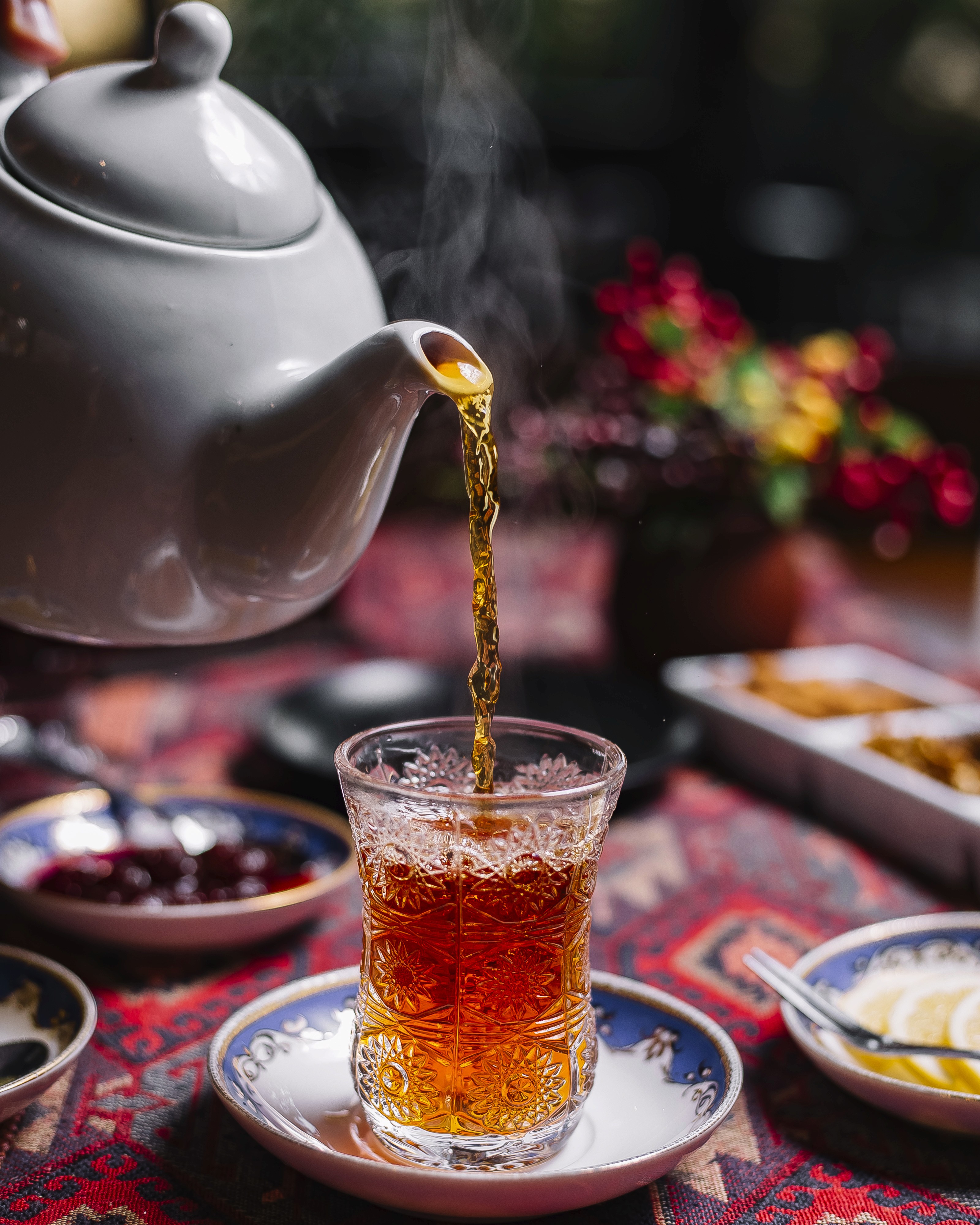
In Azerbaijan, coffee lives next to tea, not instead of it. Tea is still the default drink at home, during visits, and after meals. But in cities, especially Baku, coffee has quietly built its own place in daily life.
The traditional rhythm
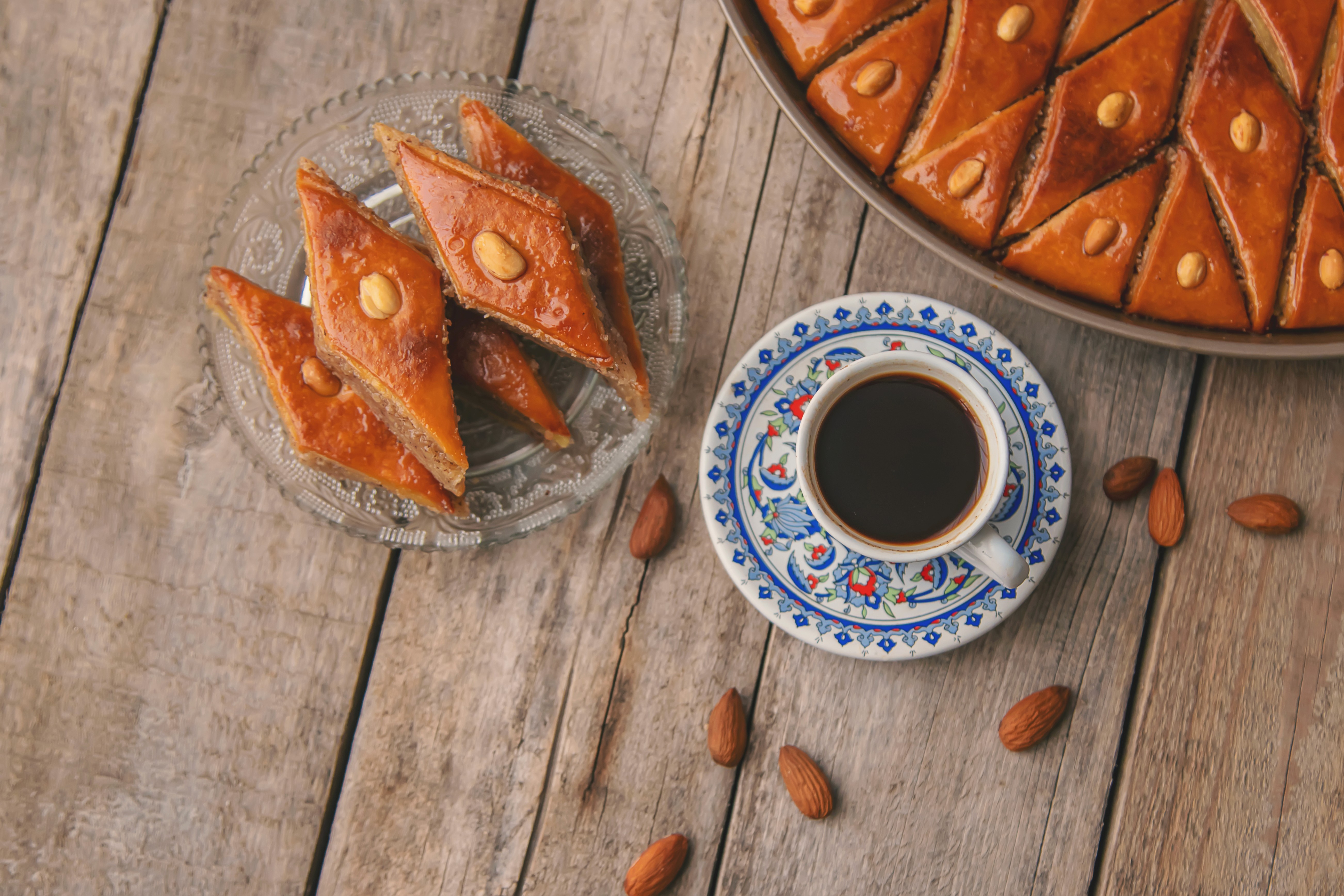
For decades, social life revolved around tea tables. Conversations lasted hours and refills were constant. Coffee existed, but mostly as a quick drink, often similar to Turkish-style coffee, small and strong. It was personal rather than social.
The shift in the city
Over the last years, urban routines changed. Work schedules tightened, meetings moved outside the home, and cafés became everyday spaces instead of occasional outings. Espresso machines appeared, takeaway cups became normal, and people started choosing coffee for focus rather than ceremony.
Two habits, not a competition
Tea still represents hospitality and time. Coffee represents pace and independence. One invites you to stay, the other helps you move. Most people don’t replace one with the other, they switch depending on the moment.
The modern café generation
Younger visitors meet friends over lattes, work on laptops, and treat cafés as extensions of their living rooms. Yet even in modern spaces, tea remains on the menu. The culture didn’t disappear, it expanded.
At Merci Baku
The goal isn’t to choose sides. Strong tea for slow conversations, coffee for daily rhythm. Both belong at the same table, just at different times of the day.